How to Start a Pet Sitting Business
Learn how to start a pet sitting and dog walking business: licenses, insurance, pricing, invoicing, and getting your first clients in 2026.


Your neighbor just texted asking if you’d watch her two dogs next week while she’s traveling. You said yes — of course you did. You love dogs. A week later, she hands you cash and says, “Same time next month?” And that’s when it hits you: you could actually do this for real.
Starting a pet sitting or dog walking business is one of the most accessible personal-service businesses you can launch. Low startup costs. No office. No inventory. And if you like animals, the work itself doesn’t feel like work. But turning neighbor favors into a real income requires the same foundations every service business does: proper setup, clear pricing, and a system for getting paid.
Here’s how to do it right from day one.
Table of Contents
- Is Pet Sitting Worth Starting as a Business?
- Step 1 — Build Your Business Foundation
- Step 2 — Get Licensed, Bonded, and Insured
- Step 3 — Set Your Rates
- Step 4 — Get Your First Clients
- Step 5 — Set Up Contracts and Client Intake
- Step 6 — Handle Invoicing and Get Paid
- Step 7 — Grow Your Business
- Common Mistakes New Pet Sitters Make
- Your 90-Day Launch Checklist
- Frequently Asked Questions
Is Pet Sitting Worth Starting as a Business?
The numbers are real. The global pet sitting market was valued at USD 2.685 billion in 2024 and is projected to reach USD 5.143 billion by 2030 — a compound annual growth rate of 11.8%, according to Grand View Research. There are currently 35,349 dog walking and pet sitting businesses in the US alone (IBISWorld).
More telling: established professional pet sitters averaged $112,423 in gross revenue in 2025, up from $100,537 in 2023 — a 12% increase in two years, per Pet Sitters International’s 2026 State of the Industry survey. That’s not hobbyist money. And 99% of those businesses are independently owned — not franchises — which means the door is wide open.
Employment in animal care and service is projected to grow 11% from 2024 to 2034, faster than the average for all occupations, according to the Bureau of Labor Statistics.
Pet sitting vs. dog walking: what’s the difference?
Dog walking is exactly what it sounds like — taking a client’s dog out for a 30- or 60-minute walk. Pet sitting is broader: drop-in visits to check on pets, feeding, playing, administering medications, and sometimes overnight stays in the client’s home. Most successful pet care businesses offer both.
The startup costs are low. A lean solo operation can launch for $500–$1,500 total. No warehouse, no equipment, no employees on day one. The main investment is your time and your credibility.
Step 1 — Build Your Business Foundation
Before you take your first paid client, get your business structure right. It takes a few hours and a small fee — and it separates “doing favors” from “running a business.”
Choose your business structure. Most solo pet sitters start as a sole proprietorship, which requires no formal registration. You earn income under your own name and report it on your personal tax return. It’s the simplest path, but you have no liability protection.
An LLC (Limited Liability Company) adds a layer of protection between your personal assets and any business liability — relevant if a pet is injured in your care or you damage a client’s property. LLC formation typically costs $150–$300 in state filing fees, depending on your state.
Register your business name. If you want to operate under a business name like “Happy Paws Pet Care” instead of your own name, file a DBA (“doing business as”) with your county or state clerk. DBA registration usually runs $10–$150.
Open a dedicated business bank account. This is one of the most important steps you can take early. Mixing personal and business money creates headaches at tax time and makes it harder to track what you’re actually earning. Most banks offer free or low-fee business checking accounts.
Get an EIN. Even as a sole proprietor, an Employer Identification Number from the IRS is free and useful for opening a business account or working with clients who need to 1099 you. Apply at irs.gov in minutes.
Total estimated cost for business setup: $50–$300.
Step 2 — Get Licensed, Bonded, and Insured
This is where many new pet sitters skip ahead — and then regret it when something goes wrong.
Business license. Most cities and counties require a general business license to operate. Requirements and fees vary by location ($25–$100 is typical). Check your city’s website or call the local business registration office.
Pet sitter liability insurance. This is non-negotiable. Liability insurance covers you if a pet is injured in your care, if you accidentally damage a client’s home, or if one of the dogs you’re walking injures someone. Expect to pay $200–$500 per year for a policy that specifically covers pet care services. Companies like Pet Sitters Associates and Business Insurers of the Carolinas specialize in pet professional coverage.
Bonding. A fidelity bond protects your clients against theft by you or your employees. Many clients — especially for in-home care and overnight stays — will ask whether you’re bonded. It’s an additional trust signal that costs relatively little to add.
Pet First Aid and CPR certification. The American Red Cross and Pet Sitters International both offer pet first aid and CPR courses, typically $50–$200. It’s not legally required in most states, but it matters to clients who are trusting you with an animal they treat like a family member. It also justifies charging professional rates.
What happens if you skip insurance? One dog fight at the park, one bite, one emergency vet visit — and you’re personally liable for costs that can easily reach $5,000 or more. A $300/year policy is not optional when you’re in someone’s home handling their animals.
Step 3 — Set Your Rates
One of the biggest mistakes new pet sitters make is undercharging to get clients, then feeling stuck at those rates for months. Set rates that reflect real costs from the start.
National rate benchmarks (2026):
| Service | Typical Rate |
|---|---|
| 30-minute dog walk | $15–$35 |
| 60-minute dog walk | $40–$80 |
| Drop-in visit (30 min) | $18–$30 |
| Overnight pet sitting (in-home) | $25–$75 |
| Full day of doggy daycare (in your home) | $30–$50 per dog |
| Cat sitting (daily visit) | $18–$30 |
These are national ranges. Higher-cost metros like New York City, San Francisco, Seattle, and Boston typically run at the top end or above. Suburban and rural markets run mid-range.
Research your local market. Search Rover, Wag, and local Nextdoor posts for what pet sitters in your zip code are charging. Don’t undercut everyone on price — competing on price alone attracts the most price-sensitive clients, who are also often the most demanding.
Package pricing. Many clients with recurring needs appreciate package deals:
- 5-walk punch card: 10% off single-visit rate
- Monthly unlimited walks (same dog, same time slot, M–F): flat monthly rate
- Weekly drop-in + weekend overnight bundle
Packages create predictable revenue and lock in client loyalty.
What to charge extra for:
- Holiday surcharges (Christmas, Thanksgiving, July 4th): 25–50% above standard rate
- Additional pets: $5–$15 per extra dog
- Administering medications: $5–$10 per visit
- Last-minute bookings: 10–20% premium
When to raise rates. After you’ve collected 10+ positive reviews, completed Pet First Aid certification, or been operating for six months with consistent bookings — raise your rates. Existing clients usually accept a 10–15% increase with advance notice. Announce it professionally: “Starting [date], my rates will adjust to reflect current market rates. Here’s what that means for your regular visits.”
Step 4 — Get Your First Clients
You can be fully licensed, insured, and ready to work — but none of that matters without clients.
Start with Rover or Wag. These platforms take a cut of your earnings (15–20%), but they handle the trust problem for you: client reviews, insurance backing, and built-in booking tools. Use them to build a review history and hone your operations, then migrate recurring clients to direct booking once you have 10+ five-star reviews. Many successful independent pet sitters used Rover as a launchpad before going fully independent.
Nextdoor is underrated. Local neighborhood apps are where people ask for pet care recommendations. Create a business page, introduce yourself, and respond to every “looking for a dog walker” post. Your first clients are usually within a mile of your home.
Local physical presence:
- Leave business cards and flyers at vet offices (ask permission), pet supply stores, dog parks, and groomers
- Wear branded gear (a simple t-shirt with your business name) when walking clients’ dogs — you’re a walking advertisement
- Ask every satisfied client for a referral: “If you know anyone who needs a dog walker, I’d love to help them out.”
Google Business Profile. Set up a free Google Business Profile with your service area, services, hours, and photos. When someone in your neighborhood searches “dog walker near me,” this is what gets you found. It takes 30 minutes to set up and can drive consistent inbound leads.
Build trust signals fast. In this business, trust is the product. The faster you accumulate reviews, certifications, and documented track record, the faster you can charge professional rates. Learn more about building your client base with local service businesses in our guide on how to get clients for a new business.
Step 5 — Set Up Contracts and Client Intake
You love animals. That doesn’t mean you should operate on handshakes and verbal agreements.
The service agreement. A simple one-page service agreement protects both you and the client. It should cover:
- Cancellation policy (24-hour notice, for example, or you keep a portion of the fee)
- Emergency vet authorization (who to contact, which vet, whether you’re authorized to approve emergency care)
- Key handling and access (do you keep a key? Return it after each stay?)
- Payment terms (when payment is due, accepted methods, late fees)
- Liability limitations (you are not responsible for pre-existing conditions)
You don’t need a lawyer to write a basic agreement. Pet Sitters International offers member templates, and there are dozens of free templates online to adapt.
Pet profile intake form. Before the first visit, get detailed information on every animal:
- Veterinarian name and emergency contact number
- Medications and dosage schedule
- Behavioral notes (fear of strangers, resource guarding, escape history)
- Emergency contact for the owner
- Feeding schedule and diet
- Medical conditions or allergies
This form protects you legally and practically. If something goes wrong, you have documentation showing you followed the client’s instructions.
Step 6 — Handle Invoicing and Get Paid
This is the part most new pet sitters handle poorly — and where you lose money without realizing it.
When to invoice. For new clients, invoice before the service begins (or collect a deposit, especially for overnight stays). For established recurring clients, you can invoice weekly or monthly. Don’t wait until the end of the month to invoice 10 clients at once — you’ll forget details and delay your own payment.
What to put on a pet sitting invoice:
- Service date(s) and day of week
- Service type (30-min walk, drop-in visit, overnight)
- Number of visits or hours
- Per-visit or per-night rate
- Add-ons: holiday surcharge, extra pet fee, medication administration
- Subtotal, tax (if applicable in your area), total
- Your payment methods and due date
Payment methods. Offer clients the methods they already use:
- Cash or check (reliable, no fees)
- Venmo or PayPal (convenient, though PayPal takes a cut if you use their payment processing)
- Bank transfer / ACH (low-fee, good for recurring billing)
- Card payments via a mobile invoicing app
Tracking who’s paid. This is where things get messy if you’re managing it in your head or in a text thread. You have 10 regular clients, each with different schedules and different payment habits. You need a running list of who paid for this week, who still owes you, and who you need to follow up with. A simple invoicing app solves this entirely.
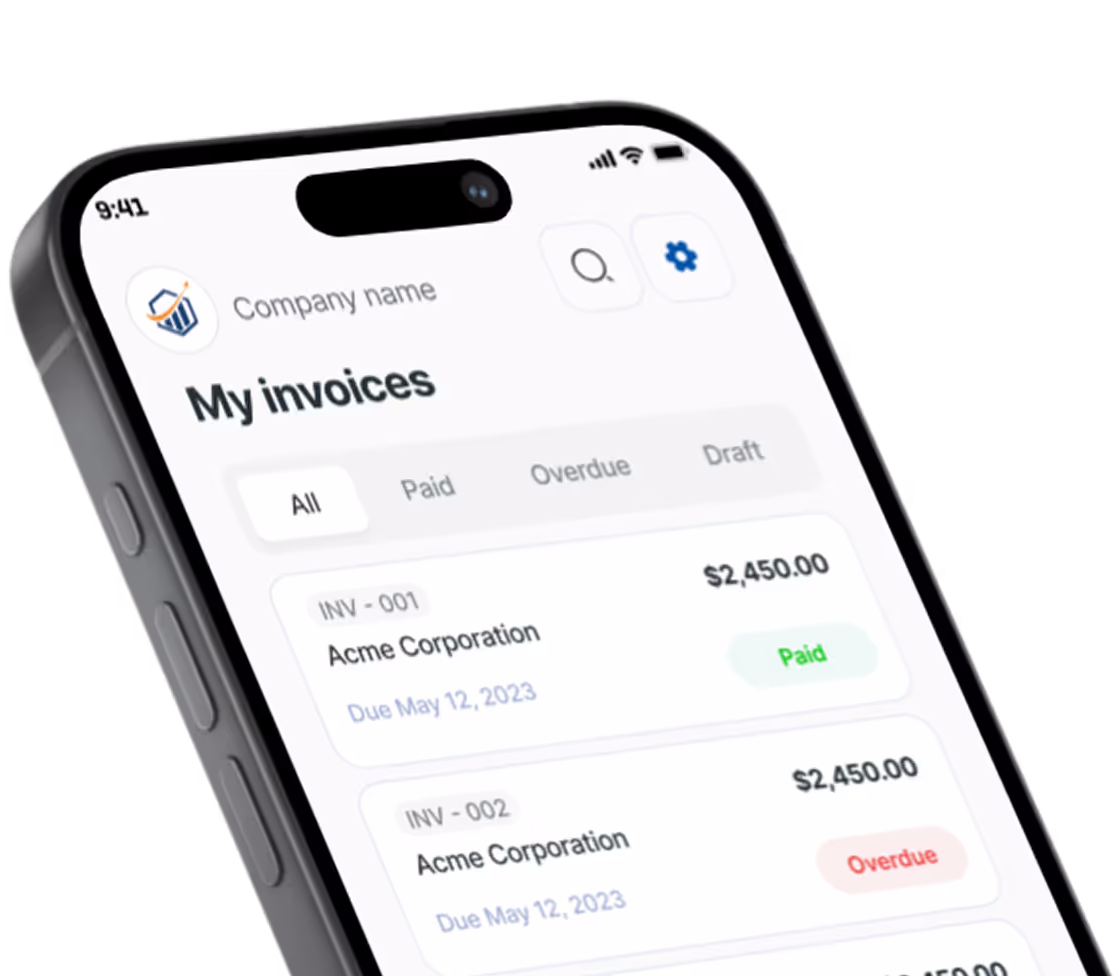
For regular walk schedules, Pronto Invoice lets you set up recurring invoices for each client — send it once, and the same invoice goes out automatically on your schedule. You can see at a glance which clients have paid and which ones still have open invoices. Send from your phone before you even leave the client’s driveway. No payment processing markup — your clients pay directly through their own payment method. Start for free and see how it fits your workflow.
For the basics of setting payment terms that protect your cash flow, see our guide on invoice payment terms. And if you end up with clients who pay late, our follow-up email templates give you a script for every stage.
Step 7 — Grow Your Business
Once you have a stable client base, you have options.
Ask for Google reviews consistently. After every successful vacation stay or a month of regular walks, send a short text: “Thanks so much for trusting me with [dog’s name]. If you have a moment, a Google review really helps my business grow.” Include the direct link to your Google Business Profile. Reviews drive more leads than almost anything else.
Build a referral program. Give $10 off the next booking for every new client referred. Your existing clients are your best marketing channel. They’re talking to other pet owners constantly — at the dog park, at the vet, with neighbors.
Add services strategically:
- Pet taxi (transporting pets to vet appointments, grooming, daycare)
- Plant watering and home check-ins for vacationing clients (natural add-on to overnight sitting)
- Training referrals (partner with a local trainer and get referral credit)
Specialize to command higher rates. General pet sitters compete on price. Specialists command premiums:
- Senior pets and animals with medical needs (medication management, mobility assistance)
- Nervous or reactive dogs (requires more skill and patience)
- Cats-only service (surprisingly underserved market)
- Exotic pets (birds, reptiles, small mammals)
When to expand. If you’re turning away business consistently, you’re ready to bring in help. Your options: hire a part-time employee (more complexity, more control) or partner with another independent pet sitter for referrals when you’re at capacity. If you go the employee route, read our guide on how to start freelancing for context on independent contractor vs. employee distinctions.
Common Mistakes New Pet Sitters Make
Undercharging to get started. Clients booked at $15/walk don’t magically accept $25/walk six months later. Set fair rates from the beginning — it’s easier to keep them than to raise them.
No written agreement. When a client disputes a charge, cancels last-minute, or a pet gets sick during your care, verbal agreements leave you with nothing. One awkward conversation to sign a simple form saves a dozen worse ones later.
Mixing personal and business money. Open the separate bank account in week one. You can’t track profitability — or prepare for taxes — if your dog-walking income is mixed with your grocery spending.
Not tracking who owes you. At five clients, you can manage this in your head. At fifteen, you can’t. Get a system for open invoices before you need one.
Taking on too many dogs at once. Especially in the early days, the quality of care is your entire marketing strategy. Four happy clients and four five-star reviews beat eight distracted clients and mediocre care. Build slowly.
Skipping insurance until “something happens.” Insurance needs to be in place before the incident, not after.
Your 90-Day Launch Checklist
Weeks 1–2: Legal foundation
- Decide on business structure (sole prop or LLC)
- Register business name (DBA if needed)
- Apply for EIN at irs.gov (free, 5 minutes)
- Open a business bank account
- Apply for business license from your city/county
Weeks 3–4: Insurance and credentials 6. Get pet sitter liability insurance and bonding 7. Complete Pet First Aid and CPR certification 8. Write your service agreement (use a template, customize it) 9. Create a pet profile intake form
Weeks 5–6: Pricing and marketing 10. Research local rates on Rover and Nextdoor 11. Set your rate sheet for all services 12. Set up a Google Business Profile 13. Create business cards (Canva is free) 14. Create profiles on Rover or Wag to build initial reviews
Weeks 7–8: First clients 15. Tell every neighbor, friend, and family member you’re taking clients 16. Post in local Nextdoor and Facebook groups 17. Visit vet offices and pet stores with cards and flyers 18. Set up an invoicing system before your first paid job
Weeks 9–12: First bookings and operations 19. Complete first paid clients — document everything 20. Ask each client for a Google review after the service 21. Note what worked and what didn’t 22. Adjust rates or services based on demand 23. Start collecting recurring client bookings and set up recurring invoices
Frequently Asked Questions
Do I need a license to pet sit?
Most cities and counties require a general business license to operate any business, including pet sitting. Requirements and fees vary by location — check with your local city or county clerk. Some states have additional regulations for businesses caring for animals commercially, though most solo pet sitters fall below the threshold that triggers facility-specific regulation.
What insurance do pet sitters need?
At a minimum: general liability insurance specific to pet care services, which covers injury to pets in your care, damage to a client’s property, and injuries to third parties. Many clients also want to see proof of bonding. Expect to pay $200–$500 per year from providers that specialize in pet professional coverage. General homeowner’s or renter’s insurance typically does not cover business activities.
How much can you make as a pet sitter?
Established professional pet sitters averaged $112,423 in gross revenue in 2025, according to Pet Sitters International’s 2026 State of the Industry data. That’s full-time, established businesses. A solo operator in a suburban market working part-time can realistically earn $1,500–$3,000 per month with a stable base of 8–12 recurring clients. Full-time, with premium services and a strong local reputation, income of $50,000–$80,000+ is realistic.
How do I price my pet sitting services?
Start with local market research (check Rover for sitters in your zip code), then factor in your actual costs: insurance, transportation, time, and a margin for your skill and reliability. Don’t just copy the lowest price you find. A reasonable national starting point for a 30-minute dog walk is $20–$25; for a 60-minute walk, $40–$55. Adjust up for high-cost metros, certifications, or specialized care.
Do I need a contract for pet sitting?
Yes. A simple service agreement covers cancellation policies, emergency vet authorization, payment terms, and liability. You don’t need a lawyer to write it — but you do need something in writing before you take on paid clients. It protects you and signals to clients that you’re running a legitimate business, not doing favors.
Starting a pet sitting or dog walking business is genuinely accessible — but the ones that grow beyond word-of-mouth favors are run like real businesses from the beginning. Get the legal foundation right, set professional rates, and build a system for getting paid without chasing people down.
Pronto Invoice is built for exactly this kind of work: recurring invoices for your regular walk clients, mobile invoicing you can send from the client’s front porch, and a clear view of who’s paid and who hasn’t. Start for free and see how much simpler the business side can be.
There is always something more to read

10 Steps to Set Up a Small Business: The Complete Startup Checklist for 2025
Learn 10 steps to set up a small business with this checklist covering LLC, banking, invoicing, insurance, and pricing.

1099 Requirements for Small Business (2026): Complete Guide
$600 threshold is now $2,000 for 2026. Learn 1099 requirements: 1099-NEC, W-9 rules, deadlines, filing.

How to Accept Payments Online
No website needed. Here is how to start accepting online payments as a small business — processors, payment links, and invoicing in one afternoon.