Remittance Advice: How to Get Paid Faster
Remittance advice is the note a customer sends to confirm a payment and the invoice it covers. Learn what it includes and how to ask for it.


You finish a furnace install on Thursday, send the bill, and move on to the next job. The following week a deposit lands in your bank account. The amount is close to what you charged, but not exact. No name you recognize. No invoice number. Now you are sitting in your truck trying to figure out which job that money came from, scrolling through three weeks of invoices on your phone.
That is the exact problem remittance advice solves. It is a short note your customer sends that says, “Here is the payment, and here is the invoice it covers.” Once you know what it is and how to ask for it, you stop guessing which payment matched which job.
What Is Remittance Advice?
Remittance advice is a message your customer (the payer) sends to you (the person getting paid) to confirm they have paid an invoice. It is not the bill. It is the heads-up that comes after the bill, telling you the money is on the way and what it is for.
A basic remittance advice includes:
- The invoice number being paid
- The payment amount
- The payment date
- How they paid (check, bank transfer, card)
- Who sent it
That is it. There is no legal standard for small businesses, so it does not need to look fancy. A five-line email does the job. The whole point is to connect a payment to the right invoice so you are not playing detective with your bank statement.
The key thing to remember: you do not send remittance advice — your customer does. You send the invoice. They send the remittance advice back when they pay it.
Why Remittance Advice Matters When You Run a Small Business
Getting paid late is the norm, not the exception. In 2025, 55% of all B2B invoiced sales in the U.S. were past due, with an average wait of 43 days to actually receive payment. Across North America, the Atradius Payment Practices Barometer found that 43 to 44% of B2B invoices were overdue, and around 6% got written off as bad debt entirely.
When you are a one-man business doing your own books, every mystery deposit costs you time. You cannot mark an invoice as paid if you cannot tell which invoice the money belongs to. So the payment sits there as a question mark, the invoice stays open, and your “who’s paid, who hasn’t” list gets less accurate by the week.
It gets worse when partial payments and rounding come into play. A customer pays two invoices in one lump sum, or knocks off a few dollars for an early-payment discount, and now the deposit matches nothing on your list. Remittance advice clears that up in one message: this much, for these invoices, on this date.
You might think this is corporate stuff that does not apply to a small operation. It is the opposite. The smaller you are, the less time you have to chase reconciliation, and the more a 30-second note saves you.
Types of Remittance Advice
Not all remittance advice looks the same. Here are the common forms you will run into.
Basic Email or Letter
The most common version for small businesses. Your customer types a quick email or note when they pay: invoice number, amount, date, method. No template required. This is the one you will see most often, and the one easiest to ask for.
Removable Invoice Advice (Tear-Off Slip)
If you have ever gotten a check with a perforated stub attached, that stub is a remittance slip. The payer fills in the invoice number and amount, tears it off, and mails it with the check. This is fading as fewer people pay by mail, but around 33% of B2B payments are still made by check, so you will still see these.
Electronic Remittance Advice (ERA)
ERA is a standardized digital format used mostly in healthcare, where insurers send structured payment data to providers. Unless you bill insurance companies, you will probably never deal with formal ERA. For trade work, a plain email covers the same ground without the overhead.
What a Remittance Advice Should Include
Whether it arrives by email or on a tear-off stub, a useful remittance advice covers the same basics:
- Payer name and contact — who sent the money
- Your name (the payee) — who it is going to
- Invoice number(s) — the single most important field; this is what matches the payment to the job
- Payment amount — the total, and a per-invoice breakdown if they paid more than one
- Payment method — check, ACH transfer, card
- Payment date — when they sent it
- Optional extras — a PO number, or any early-payment discount they took
If a customer ever asks what to put on one, point them to the invoice number first. With that one detail, almost everything else falls into place.
A Real-World Example
Say you run an HVAC business and you billed a property manager for a rooftop unit repair on invoice 1043. When they pay, a clean remittance advice looks like this:
Subject: Payment sent — Invoice 1043
Hi Mike,
We’ve sent payment for the rooftop unit repair.
- Invoice: 1043
- Amount: $1,250.00
- Method: ACH bank transfer
- Date sent: June 18, 2026
Thanks, Sandra — Cedar Park Property Management
Thirty seconds to write. When that $1,250 deposit shows up, you already know it is invoice 1043. You mark it paid and keep moving. No scrolling, no guessing.
Remittance Advice vs Invoice vs Receipt
These three documents get mixed up constantly. Here is the plain difference.
| Document | Who sends it | What it does |
|---|---|---|
| Invoice | You (the supplier) | Requests payment for work done |
| Remittance advice | Your customer (the payer) | Confirms they sent payment, and for which invoice |
| Receipt | You (the supplier) | Confirms you received the payment |
The flow runs in that order: you invoice, they send remittance advice when they pay, and you issue a receipt once the money lands. A receipt is not the same as remittance advice — the receipt is your confirmation that money arrived, while remittance advice is their confirmation that money left. For a deeper breakdown, see our guide on invoice vs receipt.
How to Ask Your Customers to Send Remittance Advice
You do not have to wait and hope. A few simple moves get most customers to include the reference you need.
Put it in your payment terms. Add one line to your standard terms: “When paying, please reference your invoice number.” Setting clear terms up front prevents most of these headaches — see our invoice payment terms examples for wording you can copy.
Add a note on the invoice itself. A short line near the total — “Please include invoice number 1043 in your payment reference” — nudges them to do exactly what you need at the moment they pay.
Follow up when a payment arrives without a reference. If a deposit shows up unlabeled, a quick message works: “Got a payment for $1,250 on the 18th — can you confirm which invoice that covers?” Most customers answer in a sentence. This is the same muscle you use when following up on an unpaid invoice, just for clarity instead of collection.
Asking for a reference is not demanding. It saves your customer’s bookkeeper a headache and gets your invoice cleared faster, which is good for both of you.
How Invoicing Apps Handle This for You
Here is the part most guides skip: a lot of this matching can happen automatically.
Manual invoice processing takes 14.6 days on average, and roughly 39% of invoices contain errors that trigger rework and delayed reconciliation. A big chunk of that delay is the human step of figuring out which payment covered which invoice — exactly the gap remittance advice is meant to close.
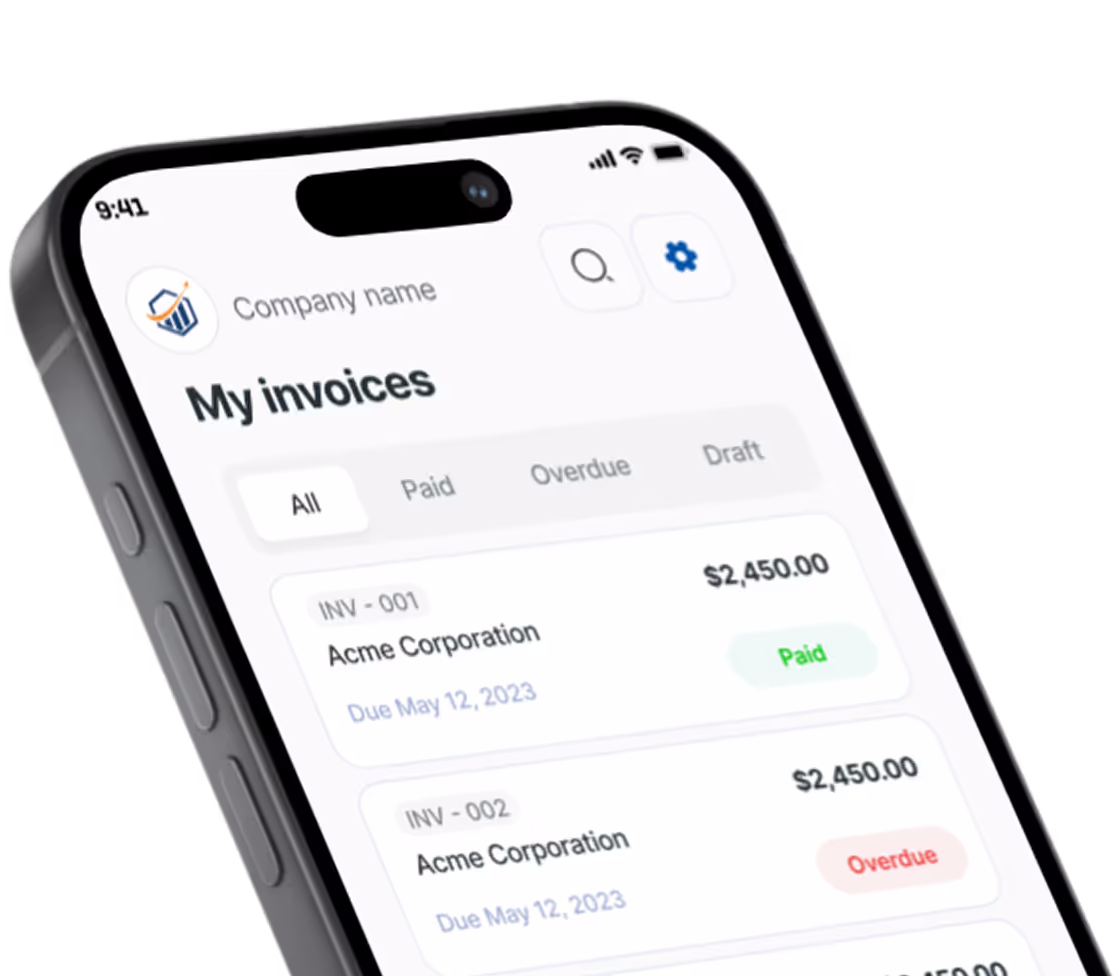
When you collect payment through an invoicing app, the software already knows which invoice the payment belongs to, because the customer paid from the invoice itself. With Pronto Invoice, when a customer pays online, the payment notification auto-matches to the right invoice and marks it paid. No tear-off slip, no mystery deposit, no scrolling your phone in the truck. The reconciliation that remittance advice exists to fix is handled before you even think about it.
To be clear, Pronto Invoice is invoicing software, not full accounting software — it handles billing, payment, and tracking who’s paid, not your books. But for the specific “which invoice did this payment cover?” problem, automatic matching beats waiting on a remittance note every time. If you still bill some customers who pay by check, remittance advice stays useful for those. For the rest, the app does the matching for you.
If you want your invoices set up so payment and reference travel together from the start, read how to send an invoice.
The Bottom Line
Remittance advice is a short note from your customer confirming what they paid and which invoice it covers. It exists to kill the “which job was that deposit for?” guessing game. Ask for the invoice number in your terms and on your invoice, follow up when a payment shows up unlabeled, and you will keep your paid-or-not list accurate without burning an afternoon on it.
Better yet, let the software match payments for you. Try Pronto Invoice and get paid without the reconciliation guesswork.
There is always something more to read

10 Steps to Set Up a Small Business: The Complete Startup Checklist for 2025
Learn 10 steps to set up a small business with this checklist covering LLC, banking, invoicing, insurance, and pricing.

1099 Requirements for Small Business (2026): Complete Guide
$600 threshold is now $2,000 for 2026. Learn 1099 requirements: 1099-NEC, W-9 rules, deadlines, filing.

How to Accept Payments Online
No website needed. Here is how to start accepting online payments as a small business — processors, payment links, and invoicing in one afternoon.