Scope Creep Prevention: How to Protect Your Profits on Every Job
Stop losing profit to scope creep. Get prevention strategies, change order scripts, and contract language for contractors and consultants.


You quoted the bathroom remodel at $14,200. Three weeks in, the client asks if you can “just” reroute the dryer vent while you have the wall open. Then, “since you’re already there,” replace the hallway baseboards. Each ask sounds small. None of them are on the contract. Your margin is bleeding out one favor at a time.
This is scope creep — and the scope creep prevention strategies below will stop it.
Scope creep is the slow expansion of work beyond what was originally agreed and priced. It is the single biggest profit killer for project-based businesses. According to the Project Management Institute’s 2023 Pulse of the Profession report, 34% of project failures are caused by changing priorities and scope creep, and 50% of projects experience scope creep that affects budget and timeline.
The fix is not being a tougher negotiator. It is having a system that makes scope clear at the start, catches drift early, and turns out-of-scope requests into either a documented “no” or a properly priced “yes.”
This guide walks through proven scope creep prevention strategies you can implement on your next project — including contract language, communication scripts, and a change order process that keeps you paid for every hour you work.
Table of Contents
- What Is Scope Creep?
- What Scope Creep Actually Costs You
- Where Scope Creep Starts: The Three Root Causes
- Scope Creep Prevention Strategy #1: Write Scope That Cannot Be Misread
- Scope Creep Prevention Strategy #2: Use Contract Language That Protects You
- Scope Creep Prevention Strategy #3: Build a Change Order Process
- Communication Scripts for Out-of-Scope Requests
- When to Absorb Extra Work vs. When to Charge
- Industry Examples: Contractors, Designers, Consultants
- FAQ: Scope Creep Prevention
What Is Scope Creep? {#what-is-scope-creep}
Scope creep is the gradual expansion of a project’s deliverables, tasks, or requirements beyond what was agreed and priced in the original contract. It happens incrementally — one small addition at a time — which is why it is easy to miss until you are deep into a project and weeks behind schedule.
Scope creep differs from a legitimate change order. A change order is a formal, documented, and priced agreement to expand the work. Scope creep is expansion without documentation and without additional payment.
For contractors, designers, and consultants, unchecked scope creep is the most common reason a profitable-looking project ends at break-even — or worse.
What Scope Creep Actually Costs You {#what-scope-creep-costs}
Scope creep is rarely caught by the dollar. It hides in:
- Unbilled hours. The two-hour favor turns into a half-day rework. You eat the time.
- Pushed deadlines. Adding work to a fixed timeline makes the next project late, too.
- Damaged margin on the next quote. Once you absorb scope on this job, the client expects the same flexibility next time.
- Crew burnout. The team feels the squeeze even when you do not bill it back to the client.
Run the math on your last three projects. Compare the hours you actually worked against the hours you quoted. If the gap is more than 10%, scope creep is costing you real money — and the prevention strategies below pay for themselves on the next job.
Where Scope Creep Starts: The Three Root Causes {#root-causes}
Before you can prevent it, you have to understand where it comes from. Almost every case fits one of three patterns.
1. Vague scope in the original agreement
If your scope says “remodel the bathroom” without listing exactly what is in and out, the client’s mental image and your mental image will not match. They are picturing new tile, a new vanity, fresh paint, and a heated floor. You priced for new tile and a vanity. The gap is your problem because nothing on paper says otherwise.
2. The “while you’re at it” request
The job is going well. The client is in a good mood. They ask for one small addition. You say yes to keep the relationship warm. Then they ask again. This is the most common scope creep pattern — and the easiest one to fix with a simple script (more on that below).
3. Discovery during the work
You open the wall and find rotted framing the homeowner did not know about. You start the design and realize the brief missed three pages of content. You begin a consulting engagement and uncover a problem that was not in the contract. This is legitimate, unavoidable scope expansion. The fix is not preventing it — it is having a process to price and document it before you do the work.
Scope Creep Prevention Strategy #1: Write Scope That Cannot Be Misread {#prevention-1}
The most effective scope creep prevention strategy happens before the project starts. Your scope of work needs to answer three questions clearly:
- What is included? List specific deliverables, materials, hours, or work areas.
- What is excluded? List the obvious “what about…” items the client might assume are included.
- What triggers a change order? Define what counts as “extra work” before any extra work is requested.
For a deep dive on structuring a tight project document, see our statement of work guide — it covers SOW templates and the exact language that prevents scope disputes.
What “specific” actually looks like
| Vague scope | Specific scope |
|---|---|
| ”Bathroom remodel, full demo and rebuild" | "Demo and remove existing tub, vanity, toilet, and floor tile. Install owner-supplied vanity, toilet, and tub. Tile floor and tub surround using contractor-supplied tile (allowance: $8/sq ft). Excludes: plumbing rerouting, electrical work beyond replacing existing fixtures, drywall repair beyond 4 sq ft." |
| "Brand identity package" | "Logo (3 concepts, 2 rounds of revisions on chosen direction), color palette, primary and secondary typography, logo usage guide PDF. Excludes: brand guidelines document, social templates, business card design." |
| "SEO consulting engagement" | "Two on-site audits, keyword research up to 50 target terms, three priority recommendations with implementation roadmap, four 60-minute working sessions over six weeks. Excludes: content writing, link outreach, ongoing reporting beyond engagement period.” |
The exclusions list does most of the work
A scope of work without exclusions is half-written. Exclusions prevent the “I assumed that was included” conversation entirely. Make the list specific to the project — not generic.
For contractors, exclusions usually cover: structural surprises, permits, hidden damage, code-required upgrades, debris removal beyond what fits in one container, fixture supply.
For designers, exclusions usually cover: stock photo licenses, additional rounds of revision beyond stated count, file format conversions, third-party tool subscriptions, future updates.
For consultants, exclusions usually cover: implementation work, additional stakeholder meetings, travel time, written reports beyond what is listed, rework if requirements change after kickoff.
Scope Creep Prevention Strategy #2: Use Contract Language That Protects You {#prevention-2}
Even a perfectly written scope needs contract language that handles what happens when scope changes. The two clauses below are the workhorses. Adapt the wording to your trade and have a local attorney review before you use them on real projects.
Sample change order clause
Changes to Scope. Any work requested by Client beyond the Scope of Work listed in this agreement requires a written Change Order signed by both parties before the additional work begins. Change Orders must specify the additional work, the additional fee, and the impact on the project timeline. Verbal requests for additional work do not constitute authorization. Contractor reserves the right to decline any requested change.
Sample discovery / unforeseen conditions clause
Unforeseen Conditions. If, during the course of work, Contractor encounters conditions not visible during the original walkthrough or specification phase (including but not limited to hidden damage, structural defects, code violations, or undocumented existing conditions), Contractor will pause the affected work, document the condition with photographs, and provide a written Change Order describing the additional work and cost. Work on the affected scope will not resume until the Change Order is signed.
Three more lines worth adding
- Reasonable timeline impact. “Each Change Order may extend the project completion date in proportion to the added work.”
- Payment timing on changes. “Change Order amounts are due according to the same payment schedule as the original contract, unless otherwise specified.”
- Decline-and-finish protection. “If Client and Contractor cannot agree on a Change Order, Contractor will complete the original Scope of Work and Client will not require Contractor to perform the requested change.”
Before your contract is signed, make sure your estimate is equally airtight. Our guide on writing an estimate for services covers the pricing and documentation practices that prevent scope disputes from the first document the client sees.
Scope Creep Prevention Strategy #3: Build a Change Order Process {#prevention-3}
Contract clauses without a process are decoration. The process below takes about ten minutes per change order and keeps the paperwork tight.
The five-step change order workflow
- Pause. When the client requests something out of scope, do not start the work — even if it looks small. The pause is the discipline.
- Document. Write down exactly what is being requested. If you can take a photo of the area or screenshot the request, do.
- Price. Calculate materials, labor, and timeline impact. Add the same margin you put on the original quote.
- Send a written change order. Email or a signed PDF. Include the requested work, the price, the new total, the new timeline, and a place to sign.
- Wait for written approval. Do not start until the signature lands. Verbal approval is not approval.
Linking change orders to the original estimate
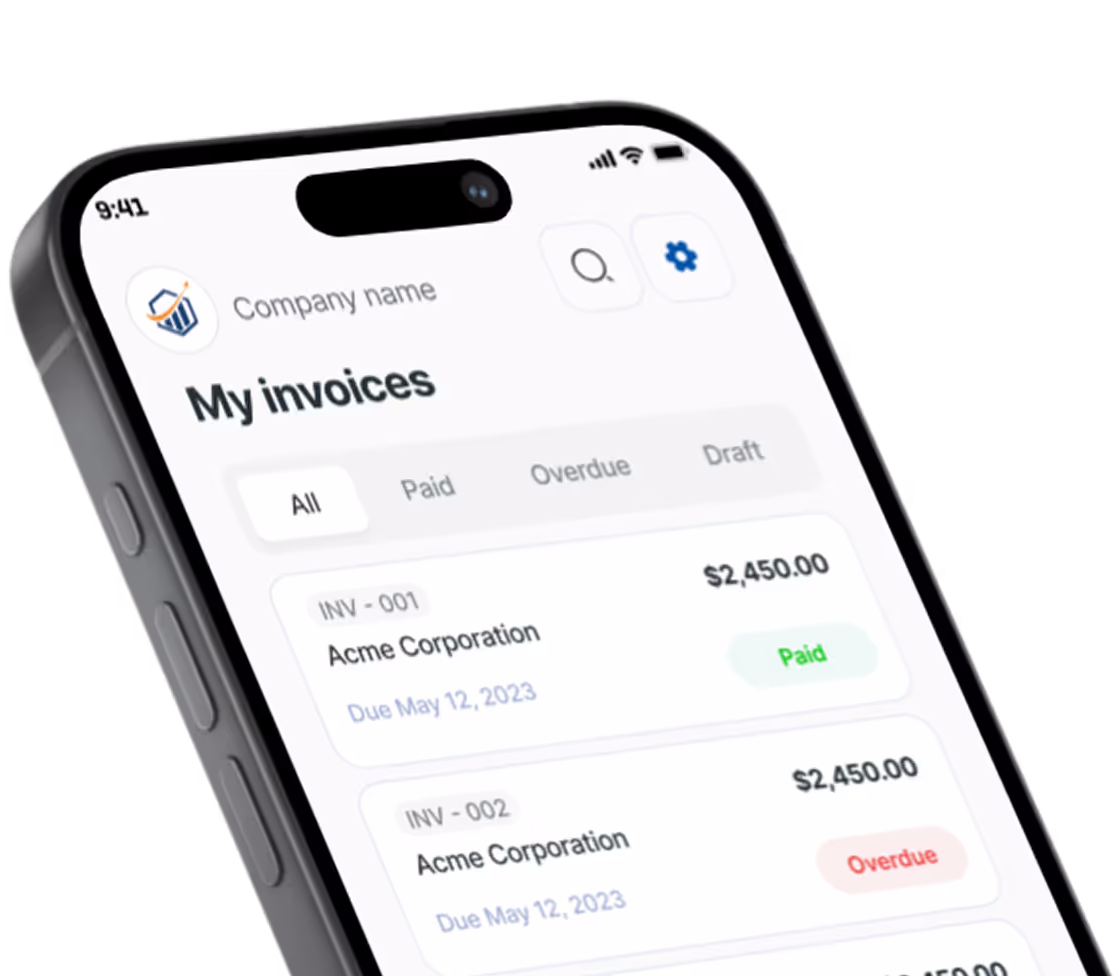
The cleanest way to handle change orders on a fixed-price project is to keep them visible against the original number. Pronto Invoice lets you create a change order invoice that references the original estimate, so the client sees the running total and you keep one document trail per project. When the job closes out, the invoice history matches the estimate history — no surprises, no “wait, what was this for?” calls. That transparent billing trail is what keeps the change order conversation calm instead of contentious.
Understanding the difference between a quote and an estimate also matters here — a binding quote has different scope-change implications than a non-binding estimate. See quote vs. estimate: key differences for a clear breakdown.
Communication Scripts for Out-of-Scope Requests {#scripts}
The hardest part of scope creep prevention is the moment of the ask. The client is friendly. You like them. Saying “that costs extra” feels confrontational. It is not. It is professional.
Use the scripts below verbatim or adapt the language. The structure matters more than the exact words: acknowledge → place it outside scope → offer the change order path.
Script 1: The on-site “while you’re at it” ask (in person)
“Happy to take a look. That’s outside what we quoted, so let me write up a quick change order tonight with the price and the timeline impact. If it works, sign it back to me and we’ll add it on. Sound good?”
Script 2: The mid-project email request
Subject: Re: Adding the dryer vent rerouting
Hi {Name},
Thanks for sending this over. The dryer vent rerouting is outside our original scope, but it is something we can add. I’ll put together a change order this afternoon with the cost and revised completion date and send it for your signature. Once signed, we’ll fold it in. Let me know if you have any questions.
{Your name}
Script 3: The repeat asker (after the second or third add)
“I want to make sure we keep this project on time and on budget for you. I noticed we’re seeing several adds beyond the original scope — let me put them all into one consolidated change order so you can see the full picture before approving. I’ll have it to you by end of day.”
Script 4: The firm “no” (when the ask cannot be done)
“That’s a great idea, but it’s outside what our crew is set up for on this project. I’d rather refer you to someone who specializes in it than do it half-right. Want me to send a name?”
The firm “no” is rare but important. Saying yes to work you should not be doing is a different version of scope creep — and it usually ends worse than declining cleanly.
When to Absorb Extra Work vs. When to Charge {#absorb-vs-charge}
Not every out-of-scope ask deserves a change order. The judgment call below has saved more client relationships than rigid rule-following ever has.
| Absorb the cost when… | Charge a change order when… |
|---|---|
| The work takes under 15 minutes and uses materials you have on hand | The work takes over 15 minutes or requires new materials |
| The original scope had a genuine ambiguity and the client interpreted it reasonably | The request is clearly new work the client did not pay for |
| It is a long-standing client where the lifetime value justifies the goodwill | It is a new or one-time client |
| Your error caused the gap | The client’s evolving preferences caused the gap |
| The favor preserves a much larger ongoing project | The favor sets a precedent that will hurt future projects |
A useful test: would you be comfortable telling another client “I do this for everyone for free”? If yes, absorb. If no, charge — and document it as a no-charge addendum so the client knows you tracked it.
Scope creep and late payments often go together — a client who adds unauthorized work frequently also delays payment. Our guide on how to handle late paying clients has scripts and an escalation timeline for when the invoice conversation gets hard.
Industry Examples: Contractors, Designers, Consultants {#industry-examples}
Contractors
The “while we’re at it” ask is the dominant scope creep pattern in trades. Hidden damage is a close second. Contract language about unforeseen conditions and a strict change order rule (no verbal approvals, no work before signed paperwork) handle 90% of cases. For trade-specific best practices, see our HVAC invoice guide and plumbing invoice best practices.
Designers and creative freelancers
Scope creep in design usually shows up as “one more round” of revisions or “can you also do…” requests for adjacent deliverables. Combat it with a hard revision count in scope (“two rounds of revisions on the chosen direction; additional rounds at $X/each”) and an exclusions list that names what is not included. Track revision rounds explicitly in your project notes and reference the count when the third round arrives. See our freelance invoice guide for billing practices that reinforce scope boundaries from the first payment milestone.
Consultants
Consulting scope creep often comes from stakeholder expansion (“can you also brief our board?”) and definition drift (“we thought the audit included implementation”). Prevent it by listing meetings by name and count in the scope, and by separating advisory work from implementation work in the contract. When new stakeholders surface mid-engagement, send a written change order before the first meeting. Our consulting invoice guide covers milestone billing structures that keep consulting scope tight.
FAQ: Scope Creep Prevention {#faq}
What is the best way to prevent scope creep on fixed-price projects?
Write scope that lists what is included and what is excluded, include a change order clause in your contract, and pause work the moment any out-of-scope request lands. The pause is what most people skip — and it is what makes the rest of the process work.
How do I price a change order fairly?
Use the same labor rate, materials markup, and margin you used on the original quote. The client agreed to those numbers when they signed. Changing them mid-project breaks trust. If the change forces a meaningful timeline shift, add a line for the impact (rescheduling, return trip, lost momentum on other work).
Should I charge for change order paperwork itself?
For small change orders, no. Bake the paperwork time into your overhead. For large change orders that require new drawings, sub-quotes, or significant re-spec work, you can charge a small documentation fee — but disclose it before doing the work.
What if a client refuses to sign a change order but still wants the work?
Do not do the work. The refusal is the answer. Either the original scope stands, or the project pauses until written approval lands. Doing unapproved work is the most expensive mistake in this entire process.
How do I bring up scope creep without damaging the relationship?
Frame it as protecting the project, not protecting yourself. “I want to make sure we hit your timeline and budget” lands better than “you’re asking for too much.” Most clients respect a contractor who runs a tight process — and the ones who do not are the clients you do not want long term.
What is scope creep in a contract?
In contract terms, scope creep refers to work performed outside the written scope of work without a formal change order. Most standard service contracts define scope explicitly and require written authorization for any additions. Work done outside that authorization is typically uncompensated unless a dispute goes to arbitration or court — and proving the value of informal additions is difficult without documentation.
Scope creep prevention is not a personality trait. It is a process — clear scope, protective contract language, a change order workflow, and the discipline to pause before doing extra work. Run that process on your next project and the margin you have been quietly leaking will start showing up where it belongs: on the invoice.
When you’re ready to keep change orders organized against the original estimate, explore Pronto Invoice’s estimate-to-invoice workflow — your job history stays clean and your client sees one consistent number trail from quote through final payment.
There is always something more to read

What Is a Statement of Work (SOW)? Complete Guide With Free Templates
Learn what a statement of work is and how to write an SOW that prevents scope creep and payment disputes. Free templates included.